Moonlit Meadow: Safe Place
Nature recordings funding a Chimpanzee habitat in Ivory Coast, Africa
Moonlit Meadow is a collaborative ambient/nature project from composer-producer Keane Wang and musician-conservationist Jérémie Angrand, built entirely from real field recordings captured in the rainforests of Ivory Coast, Africa and layered with organic textures from the rivers and rains of Lancashire, England. At its heart, Moonlit Meadow is a philanthropic endeavor: at least 50% of all income goes directly to conservation, and the project has already funded the construction of a 1,614 sq ft chimpanzee enclosure in West Africa, giving six rescued chimps a safe natural habitat free from poaching.
Background
Moonlit Meadow is a collaborative project between composer/producer Keane Wang and musician/wildlife conservationist Jérémie Angrand. What began as a small talk about how field recordings couldn’t exist without preserved nature soon turned into an active, on-field project between the two, as Jérémie Angrand embarked on a months-long volunteer trip in the Ivory Coast, a heavily forested region of West Africa.
The premise of the alias: at least 50% of all income from the recordings go back to nature. Yet Keane’s earlier experience with such campaigns revealed that finding a suitable place to donate to was more difficult than expected. Large charities with oblique budgets, founders with expensive cars, and sparse communication was discouraging. To have Jérémie on the field managing finances and seeing the impact live was a world apart.
The Story
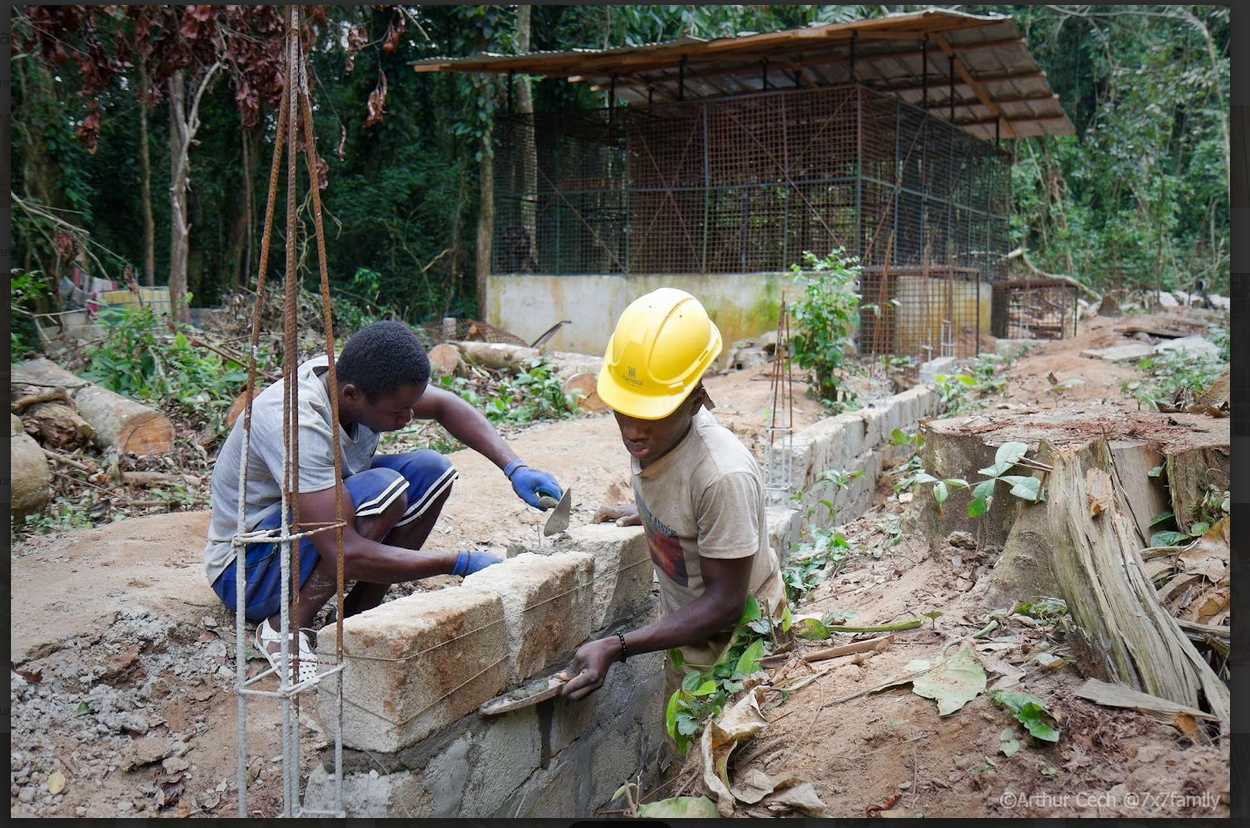
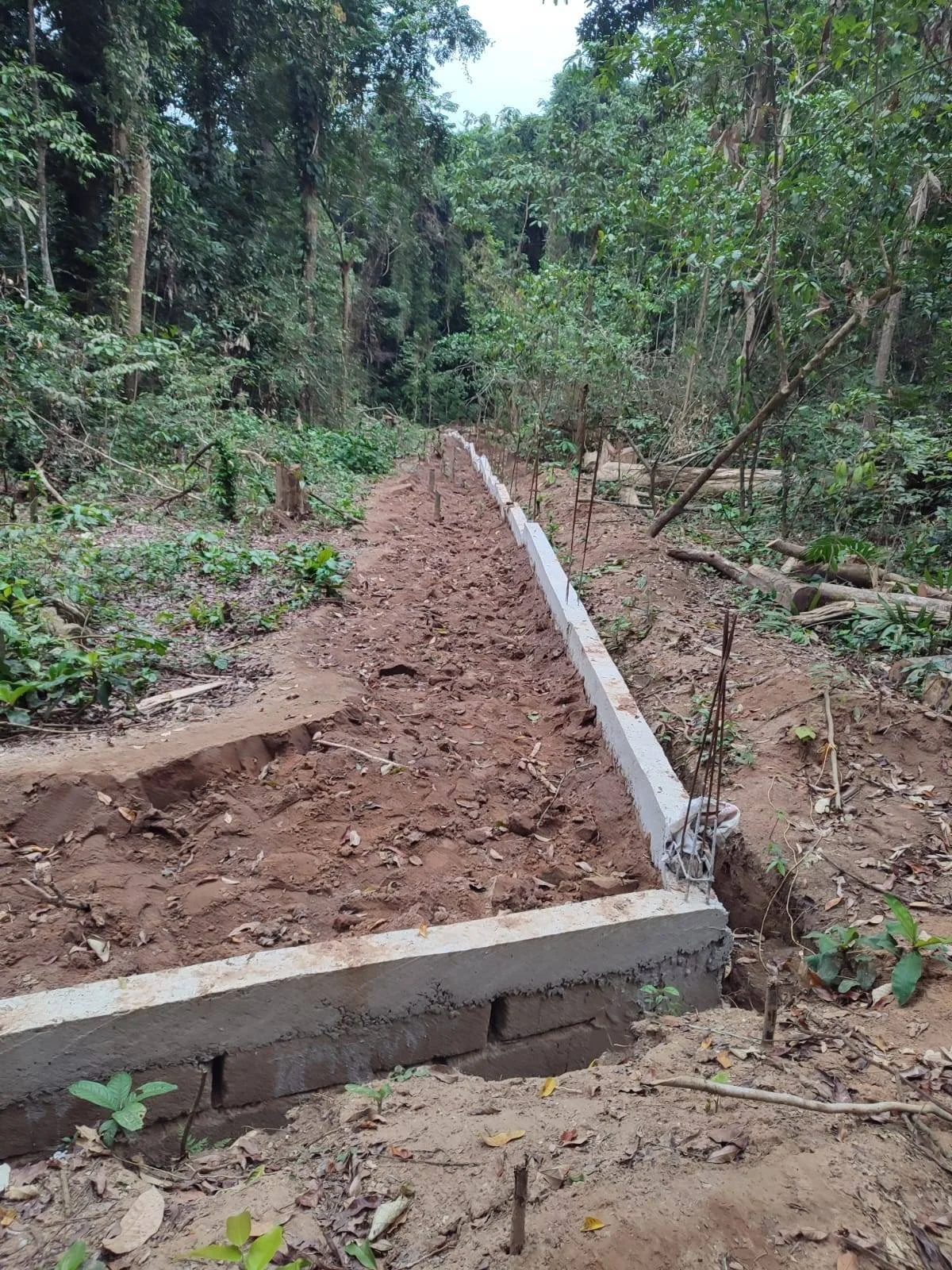
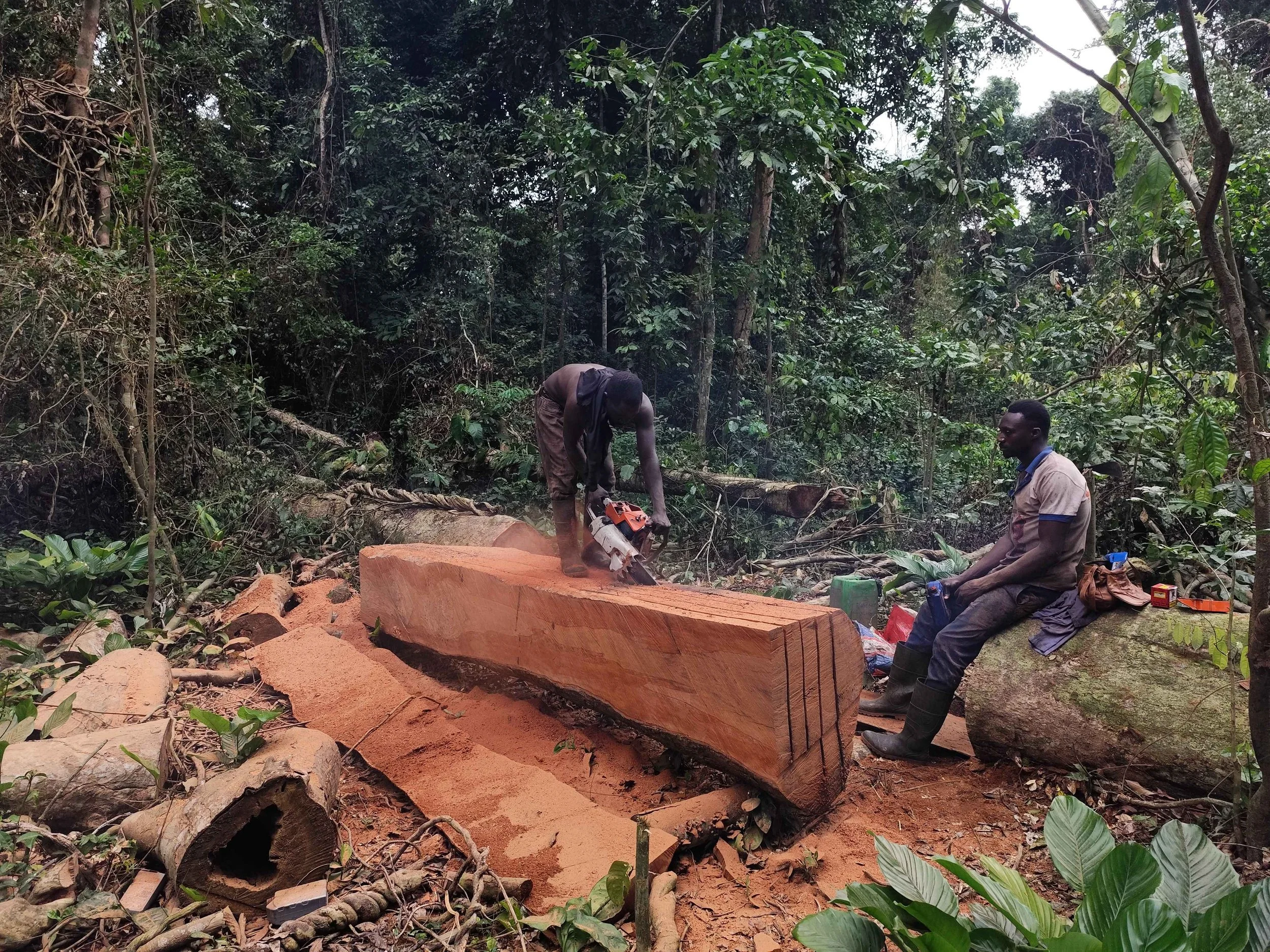
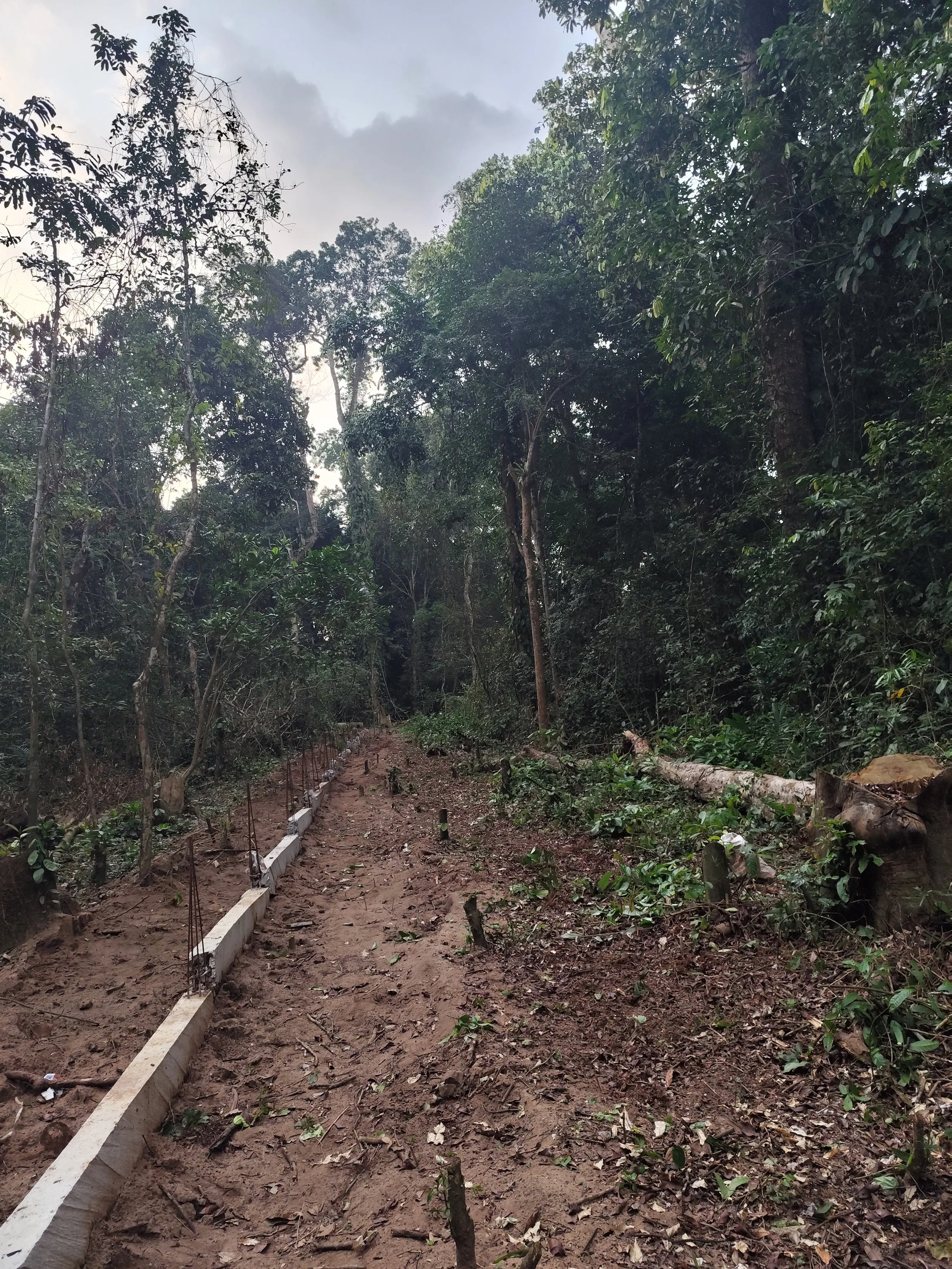
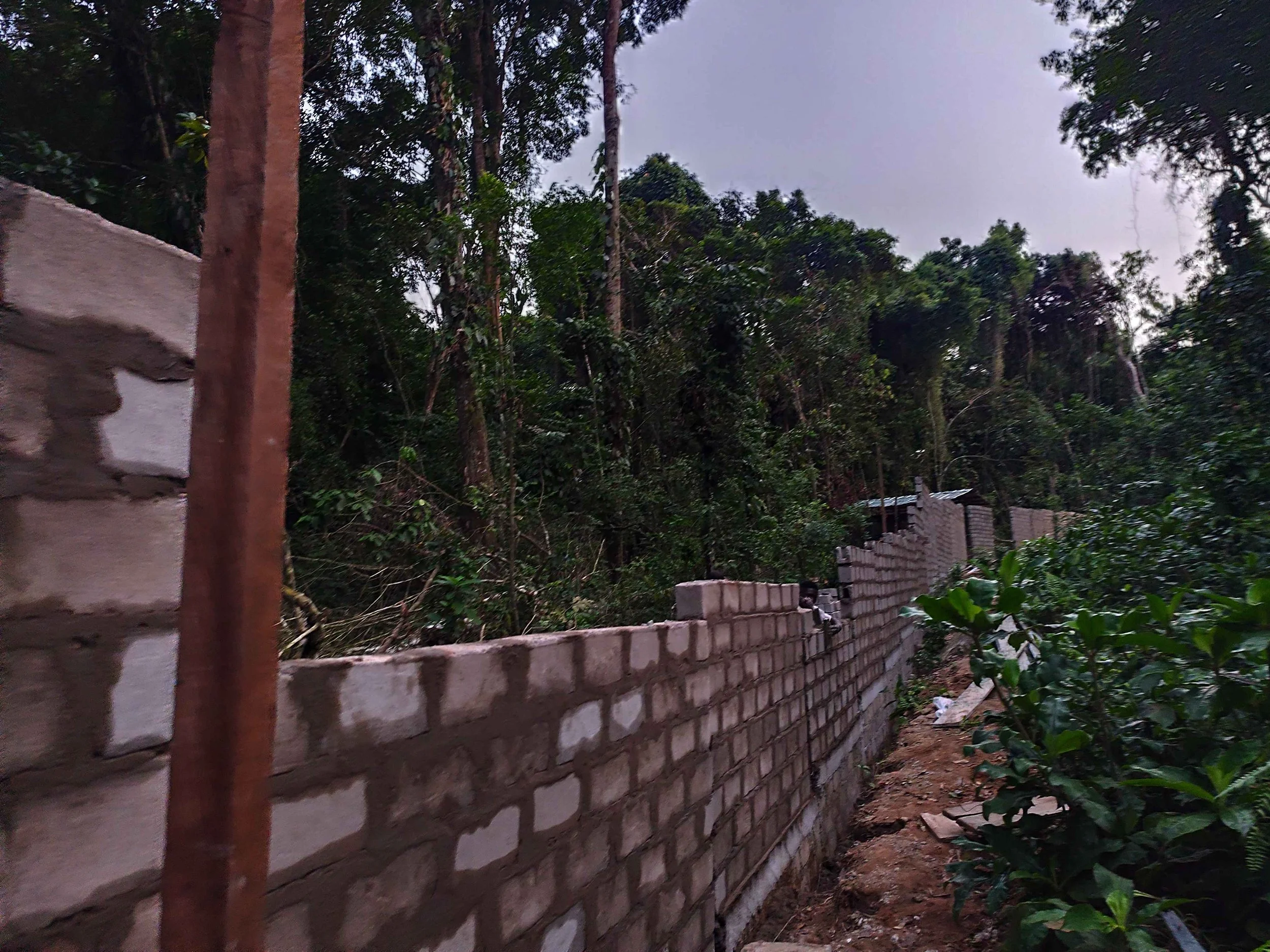
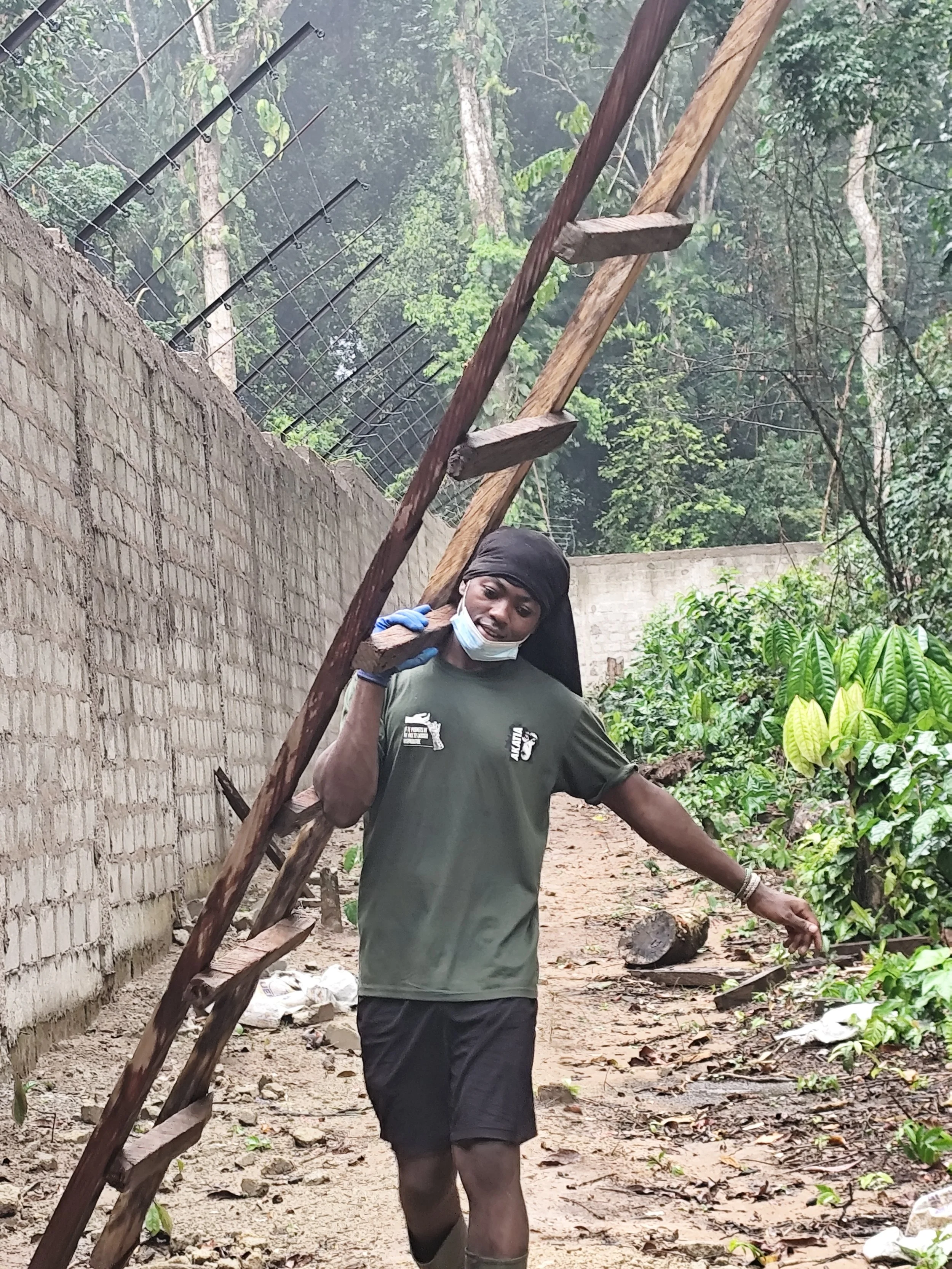
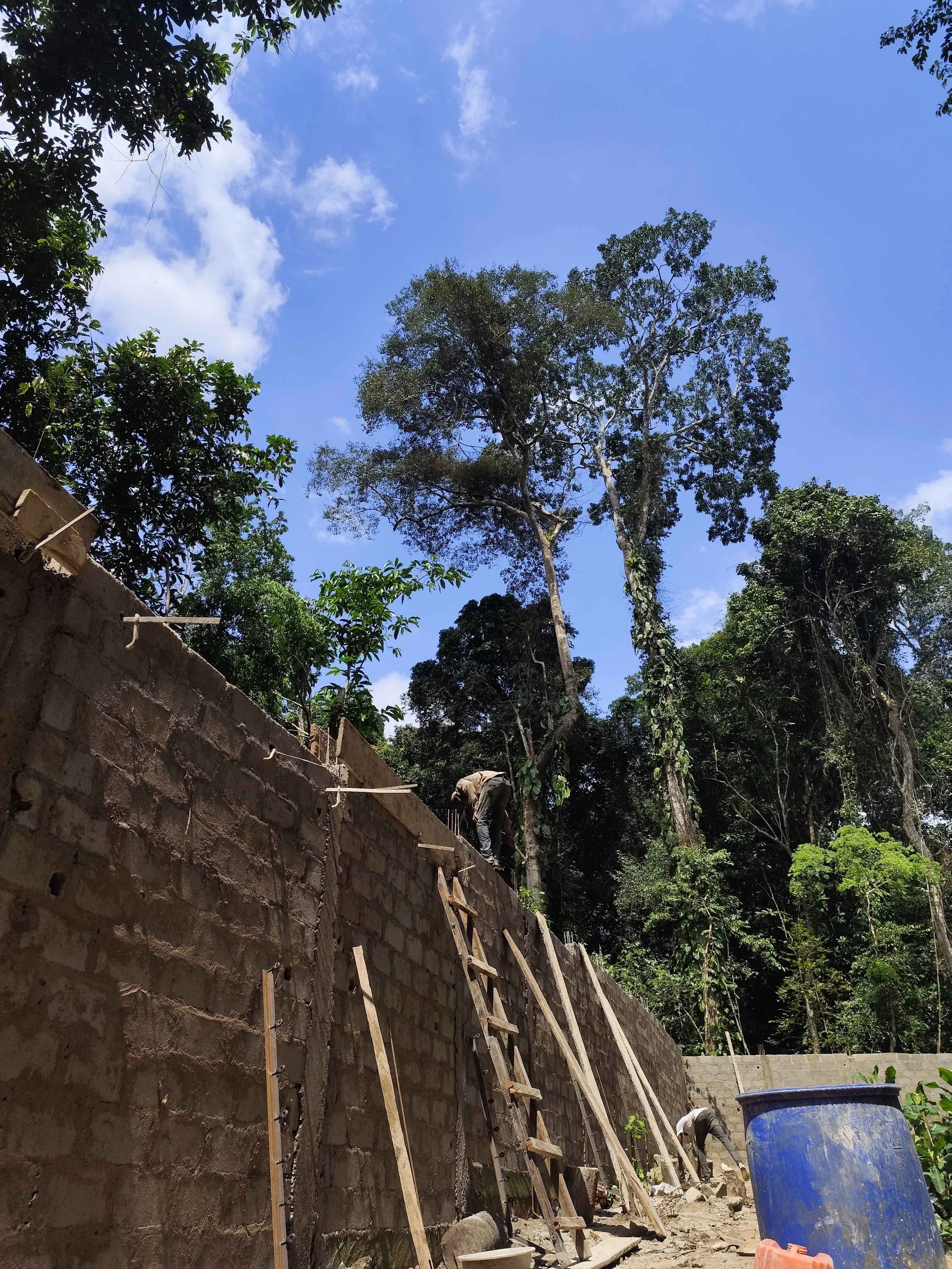
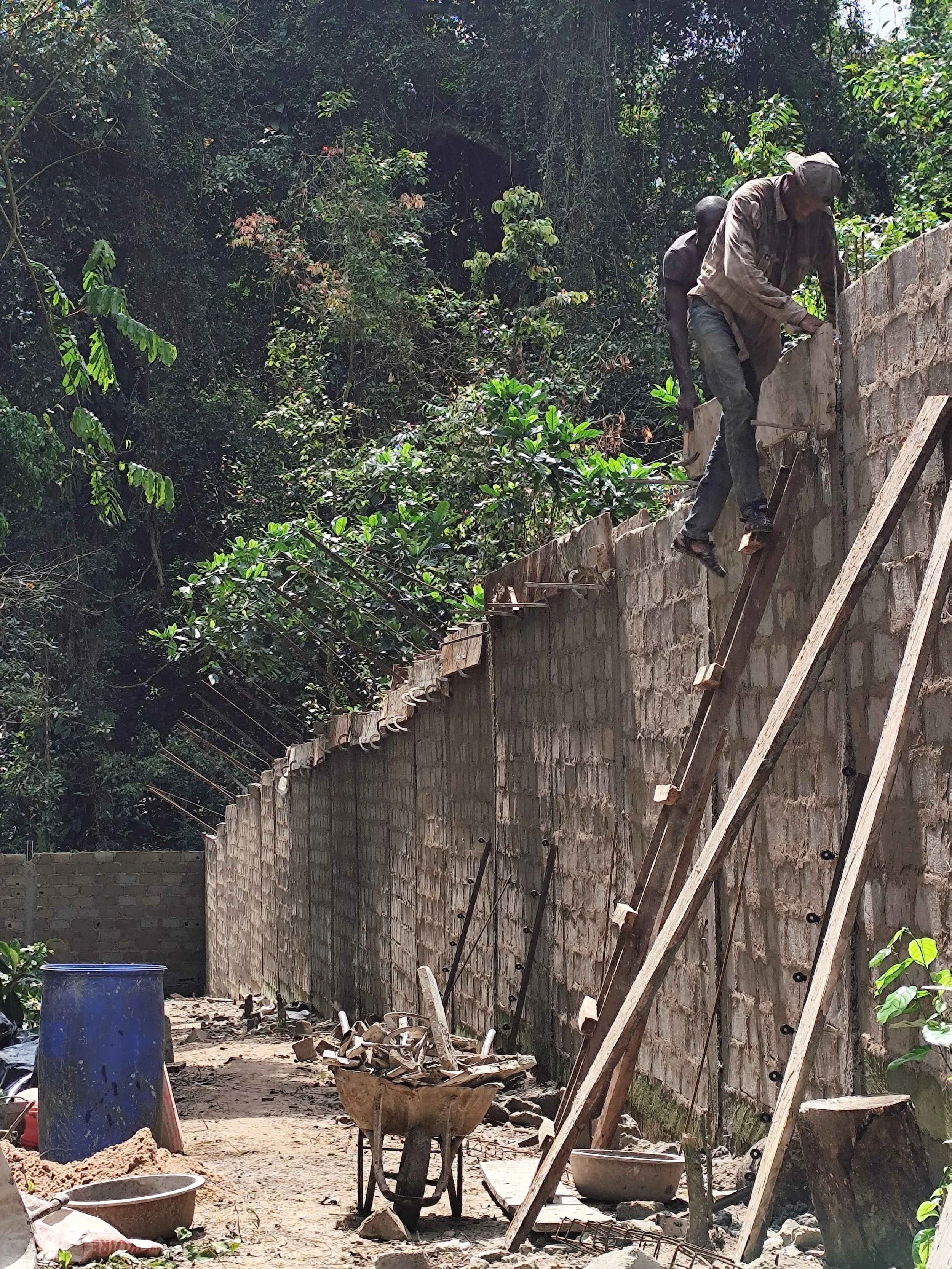
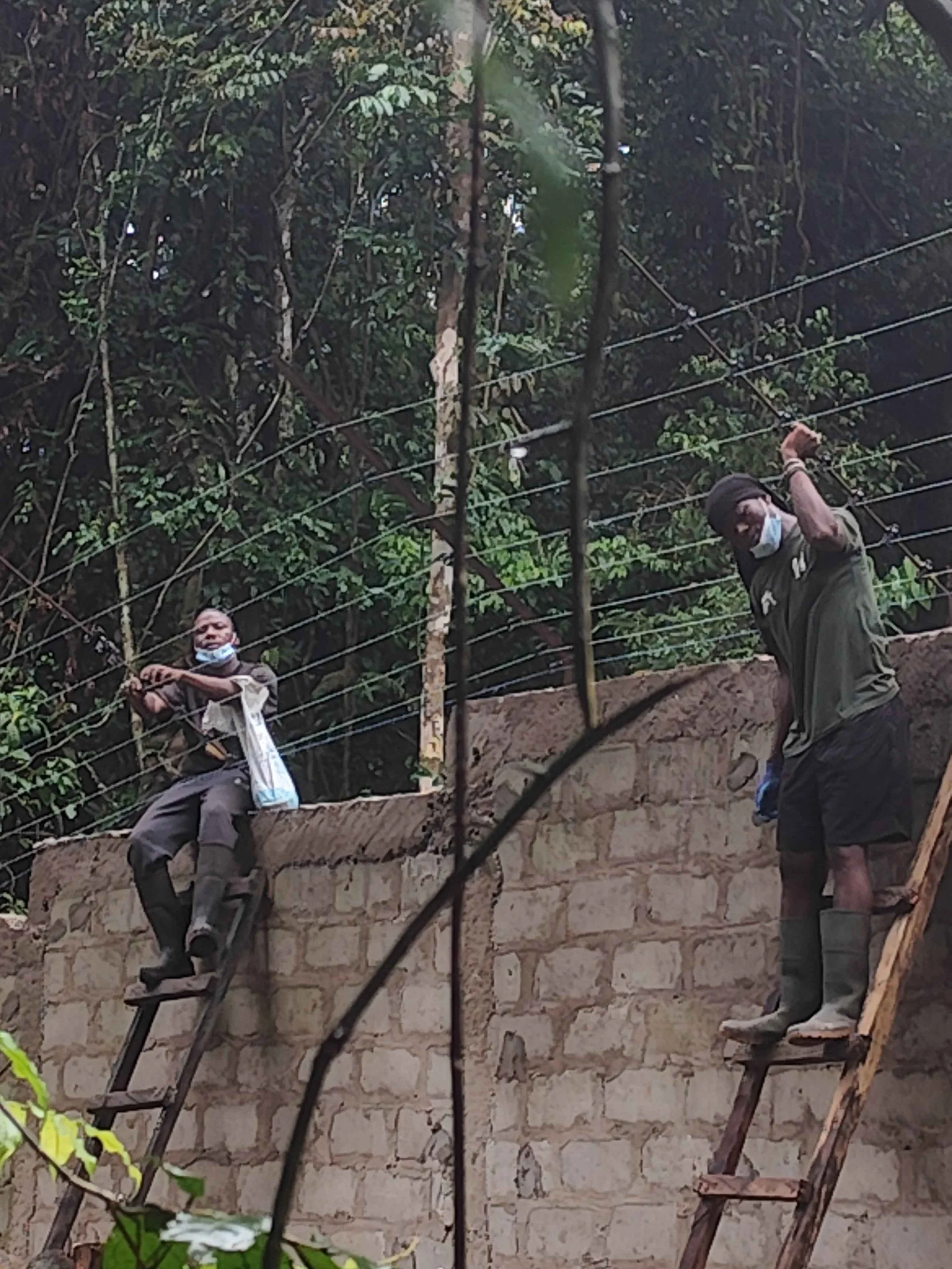
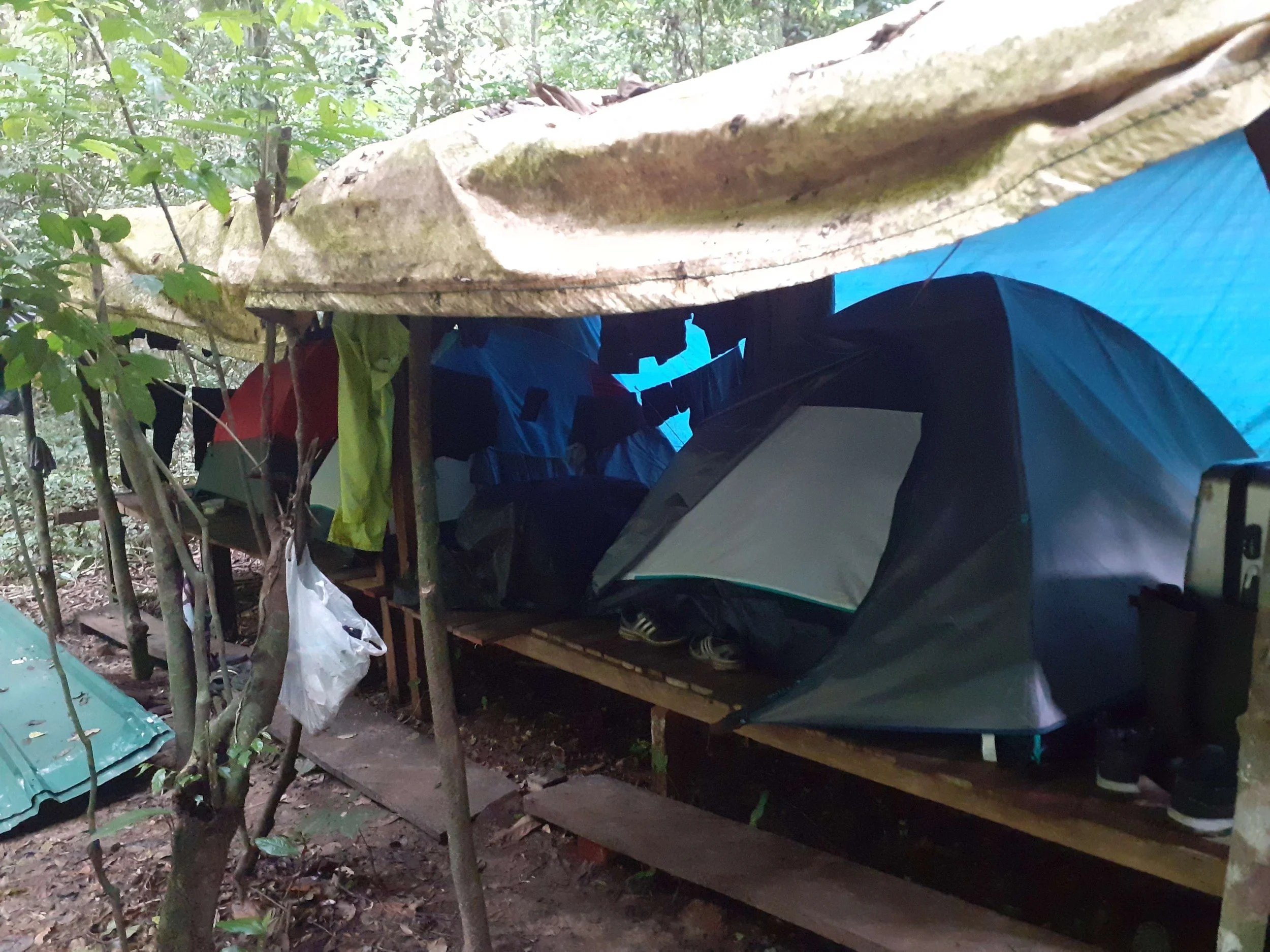
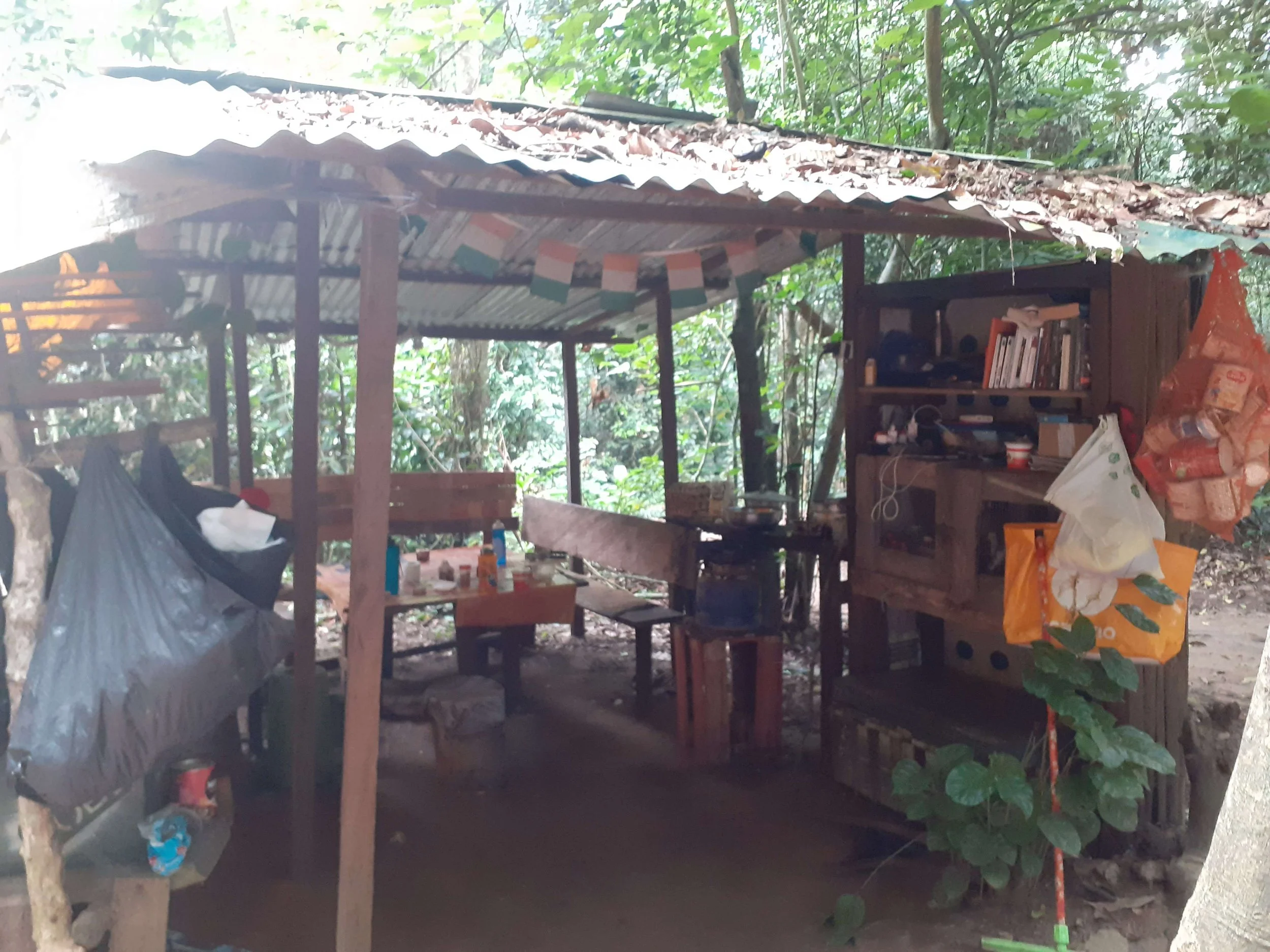
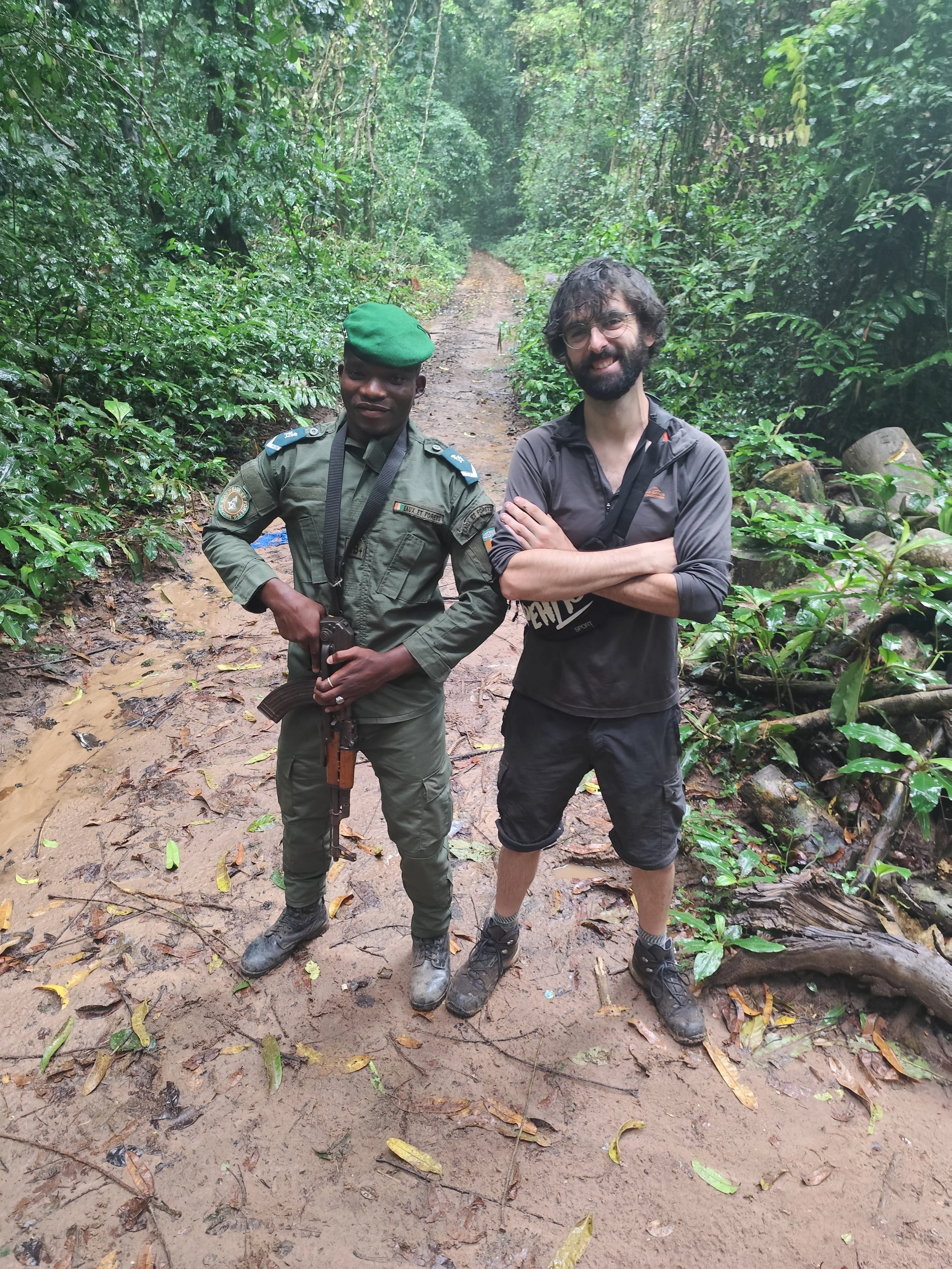
During his time on the Ivory Coast, the project revolved around the story of a group of chimpanzees targeted by poaching and illegal trade. Beginning in a small cage enclosure and culminating in a 150 sqm enclosure, funded largely by Moonlit Meadow’s earlier contribution, Jérémie oversaw the day-to-day camp (pictured) and the construction of the enclosure from nothing but forested ground. In brief breaks, he visited locations amidst the rainforest to record both idyllic and vivid recordings straight from the African forests. In Lancashire, Keane took further recordings, layering with local rains and rivers while collaborating with local rewilding groups such as Rewilding Scotland. Early support on Moonlit Meadow and additional fronting by Keane allowed a donation of $8,830 to the site, further amplified during Giving Day for Apes (where up to $2,000 was matched).
Challenges
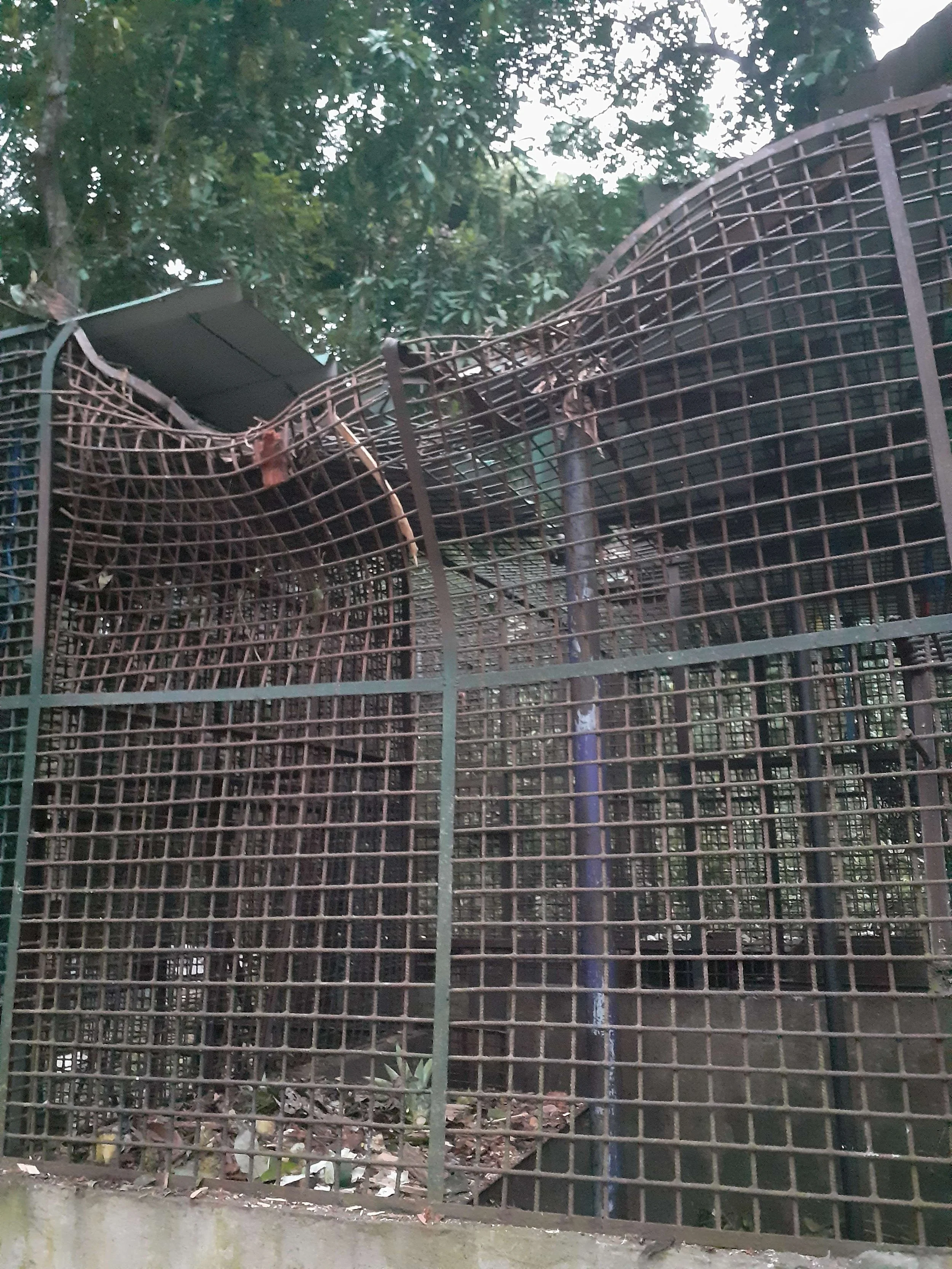
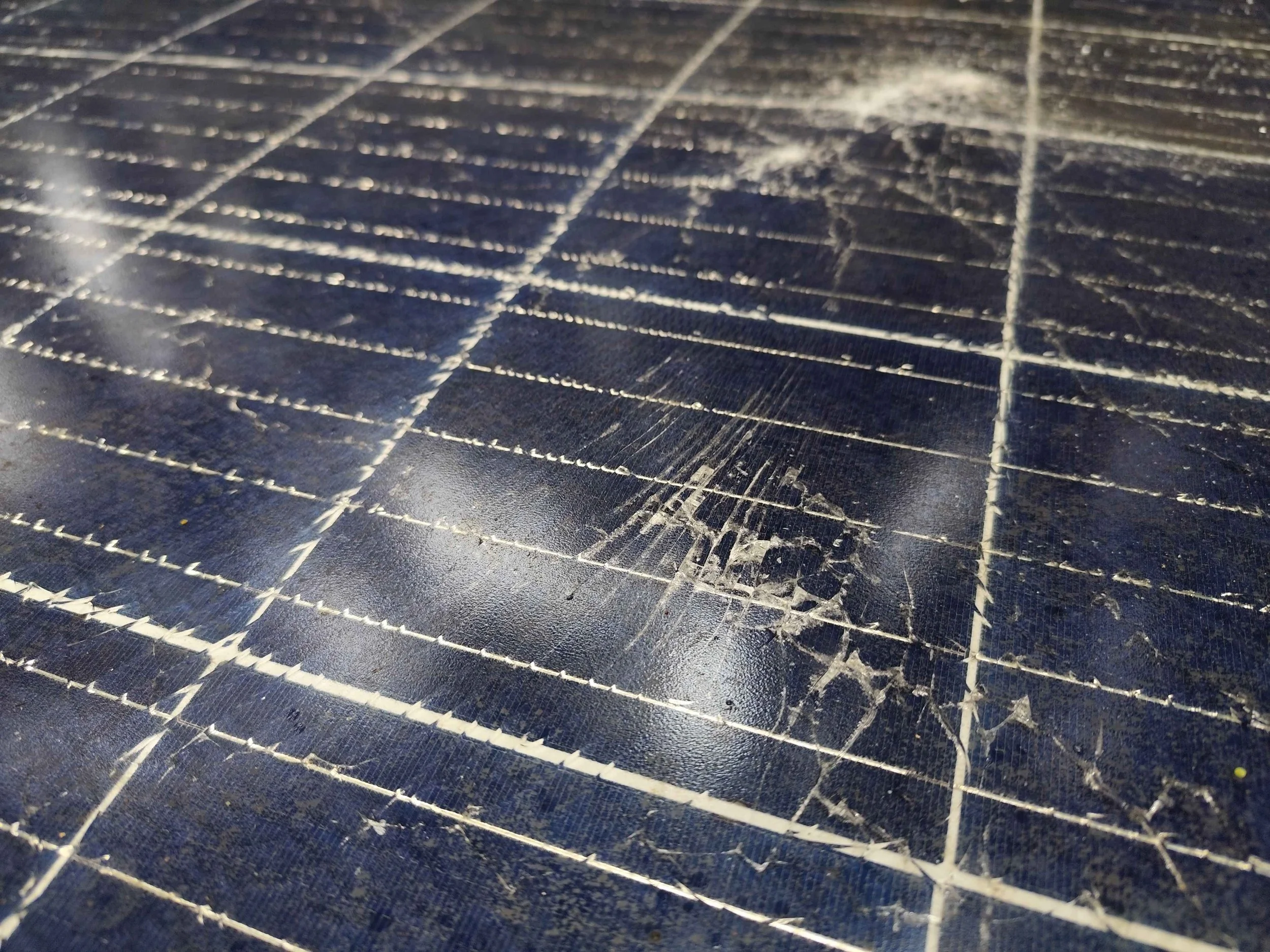
The time in the Ivory Coast was not without its challenges. Jérémie’s first weeks included two weeks of malaria. Water came from the nearest river: Jeremie drove through dense forest, then made 50 trips back and forth to the car to fill 20L bottles, making 3-4 of these trips each day. A tree fallen on the dirt road meant hours without supplies, until manually removed. One of the two solar panels was knocked out during a storm, leaving no more power for non-essentials (including phones). Power in general was a struggle, two panels and scarce electricity meant that in perfect conditions, the volunteers could only recharge 1-2 phones a day. The Internet was at a spot 1km away in the deep forest. And a tree fell on the cage which had been protecting the chimpanzees; repair took 30 hours of work of soldering. Akatia partnered with commandos from the Ministry of Water and Forests for mutual benefit, gaining protection and working together to help the area. Shelter was a tarp over tents on wood. And the humidity was always between 90-100%.
Yet slowly the enclosure was built, with local workers employed directly using the funds donated to the cause. Every listen to the recordings actually meant a brick could be placed or a wire could be laid; and in the next weeks, it all began to come into place.
Jérémie left just before the chimpanzees were released due to urgent family reasons at home, but the chimpanzees were let into the enclosure only days after (recordings included). The real effect of this journey: a group of 6 chimpanzees was able to find a Safe Place to roam freely after a lifetime of trauma. In the protected enclosure, they could be in a natural habitat without risk of poachers targeting them again, and in an environment where they can now evolve together in a more natural and dignified way. And a blueprint was laid for a real, active conservation work that could truly make a difference. Damaged by the 100% humidity even with a special bag and careful handling, the field mics did not make it back, but hours of recordings did, and continue to be immortalized in Moonlit Meadow’s collections.
-
![]()
New List Item
-
![]()
New List Item
-
![]()
New List Item
-
![]()
New List Item
-
![]()
New List Item
-
![]()
New List Item
-
![]()
New List Item


Recording in the Forest
The Enclosure Reveal
The Statistics
Money raised: $8,830.00
Square feet of enclosure built: 1614.59sqft
Days in the Ivory Coast: 175